Five technical metrics to look for when choosing a floor grinder
Disc diameter, motor power, weight, torque, and dust extraction connection. What does each number in the catalog mean, and which one is decisive for which job?
When choosing a floor grinder, the numbers in the catalogs do not tell the whole story. The deciding factor is which measurement matches the task at hand.
1. Disc diameter — area or access?
A large disc finishes square meters quickly but cannot reach wall edges, under columns, or narrow corridors. A small disc does the opposite.
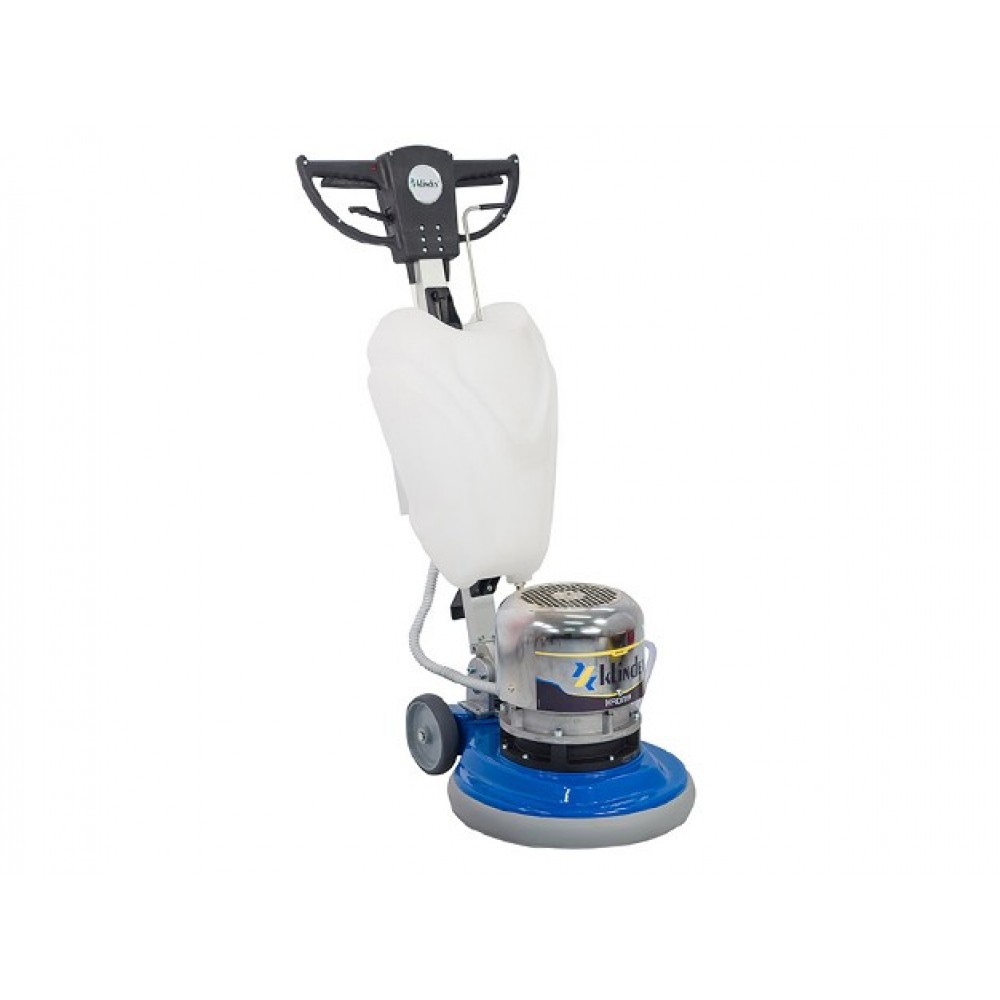
- Around 250 mm: Narrow areas, steps, edge finishing.
- 500–650 mm: Balanced range for most commercial jobs.
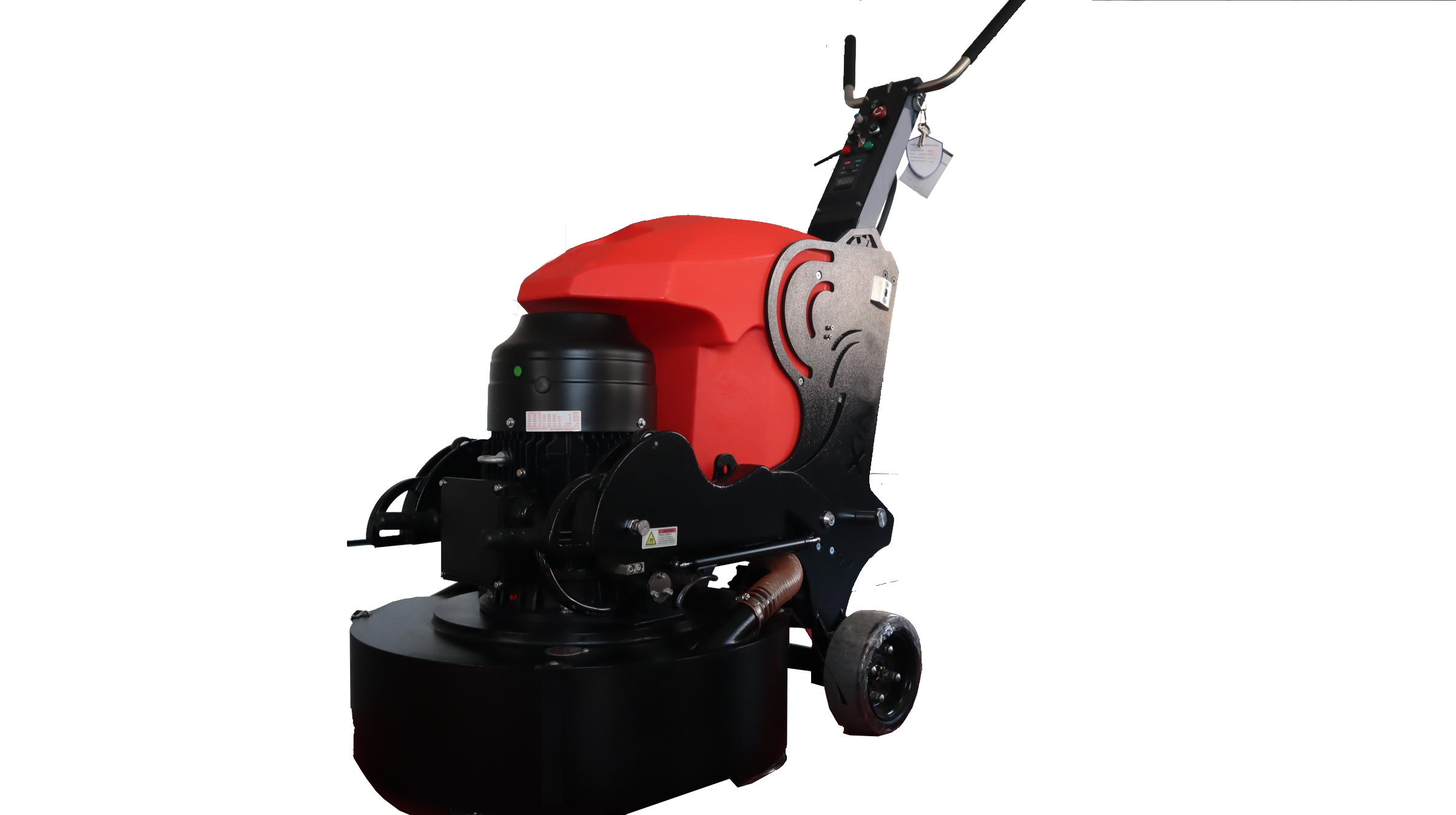
- 800 mm and above: Large and open areas. Its advantage is lost in a cluttered space.
A single machine is rarely enough for a project: the large machine handles the area, while the small machine handles the edges.
2. Motor power — not enough on its own
The kW value alone does not indicate how much work the machine can perform. The same power yields very different results with different gearboxes and disc configurations. When looking at power, evaluate it together with weight and torque.
3. Weight — what does the grinding
Weight is what presses the diamond tooling into the concrete. A light machine, even with a powerful motor, will slide on the surface and the work will not progress. A heavy machine is fast at coarse grinding, but becomes difficult to transport, carry up stairs, and control during fine stages.
If you are working in a multi-story building without an elevator, the machine's ability to be disassembled may be more important than its weight.
4. Remote control and self-propulsion
In large areas, having the operator walk behind the machine is both tiring and increases dust exposure. Self-propelled and remote-controlled chassis solve both of these problems; however, they are an unnecessary cost for small jobs.
5. Vacuum connection — not an afterthought
In dry grinding, dust is the riskiest part of the job in terms of health. The diameter of the machine's vacuum port and the vacuum hose diameter must be compatible. Even if an incompatible diameter is solved with an adapter, it reduces suction.
Things to look for on the vacuum side: airflow (m³/h), suction pressure (kPa), filter class, and whether it has a pre-separator. For concrete dust, a HEPA class filter and a pre-separator are practical requirements for filter longevity.
Electrical requirements
Large chassis require three-phase power. The line available on the job site determines the machine to be purchased — installing a line after the machine is purchased is often the most expensive surprise. Clarify the voltage and phase status on-site before ordering.
If you provide the square footage, floor condition, and electrical requirements on-site, we can select the appropriate chassis and vacuum combination together.