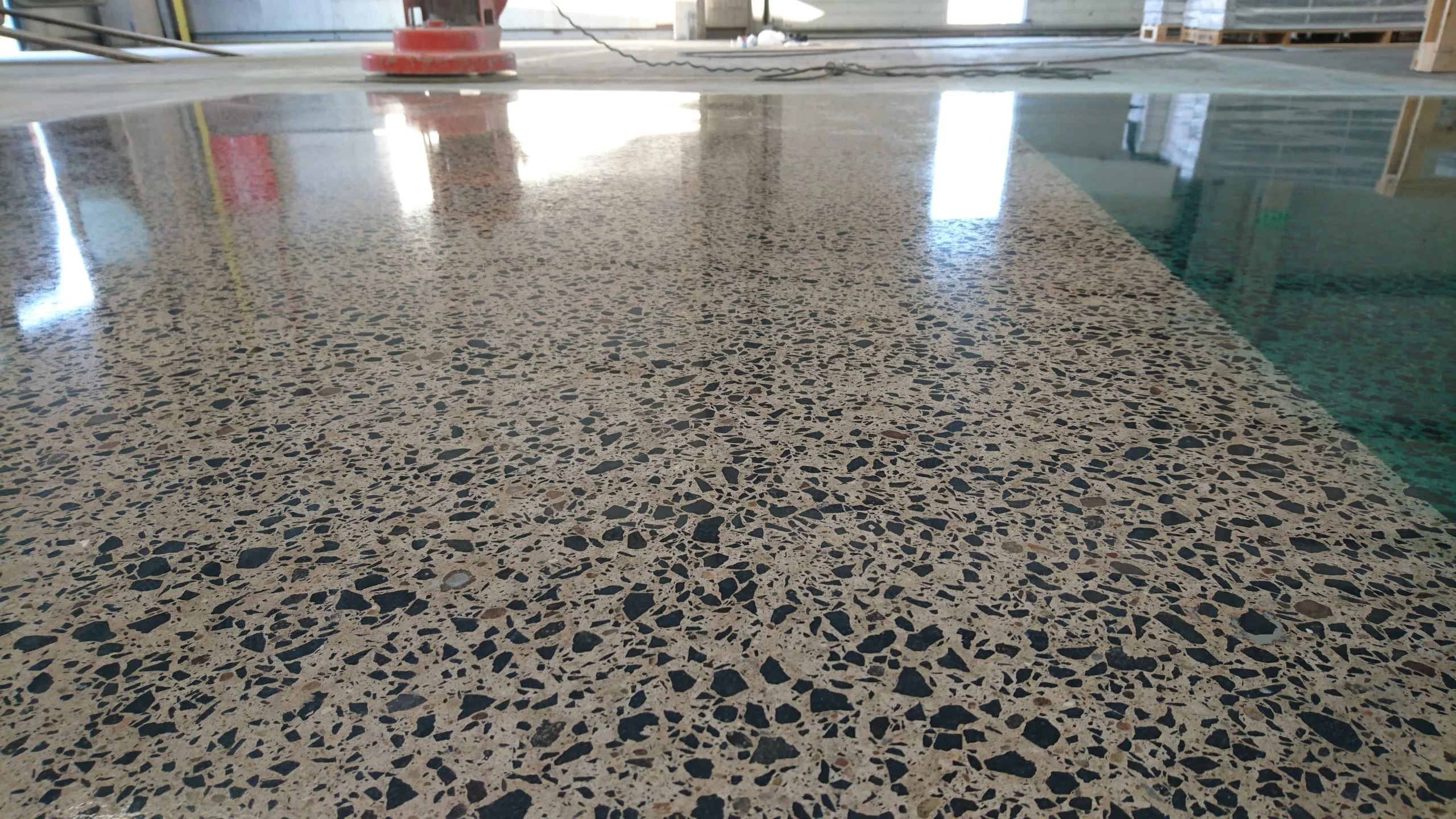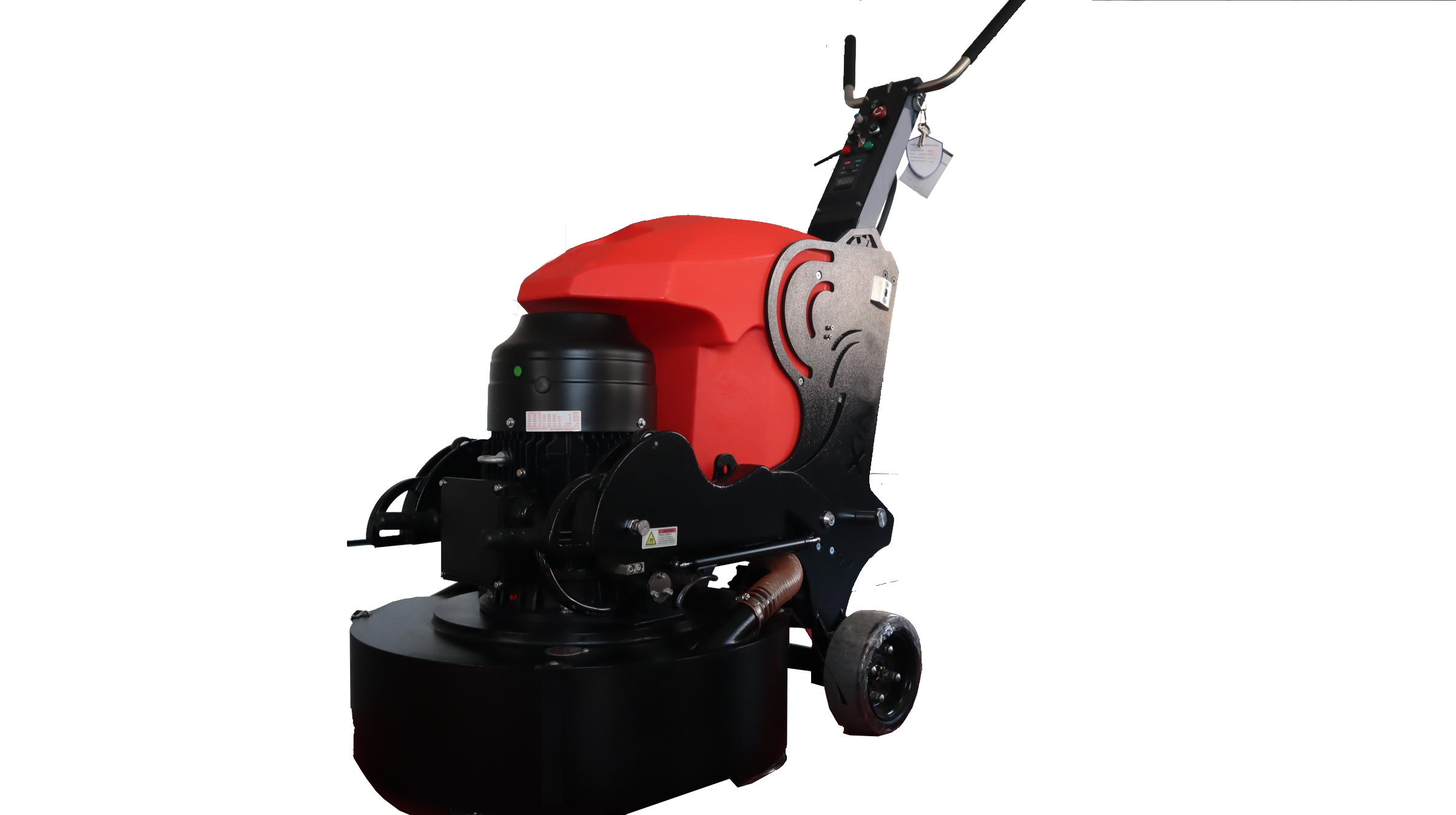
Diamond segment selection: soft for hard concrete, hard for soft concrete
The most misunderstood rule in the industry. The hardness of the diamond segment bond must be chosen in INVERSE proportion to the hardness of the concrete — the reason why and how to determine it in practice.
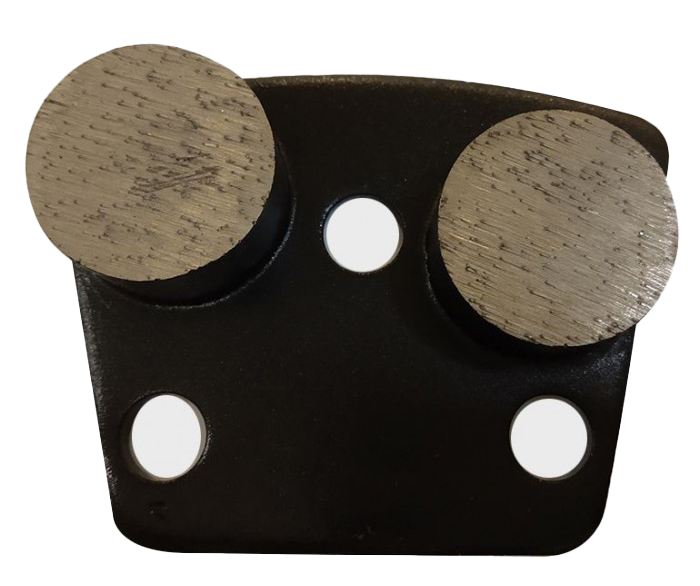
The most common mistake in selecting diamond segments is installing hard segments on hard concrete. The correct approach is the exact opposite:
Soft-bond segments for hard concrete, hard-bond segments for soft concrete.
Why is it inverse?
Diamond grains within the segment become dull over time. To continue cutting, the dull grain must shed to expose a new one underneath. This is achieved by the wear of the metal bond holding the grains.
- Hard concrete does not wear the segment easily. If the bond is also hard, it won't wear; the diamond dulls, the machine glazes over but does not cut. A soft bond opens up regularly on this concrete.
- Soft concrete wears the segment rapidly. If the bond is also soft, the segment will melt away; a hard bond extends the lifespan here.
How to determine it in practice?
You can read the floor hardness from a few signs even without measuring:
- Machine is not advancing, segment is shiny: Bond is too hard — switch to one grade softer.
- Segment is wearing at a visible rate: Bond is too soft — go harder.
- Deep scratches on the surface: A grit might have been skipped; returning to the previous grit is faster than moving forward.
Even in the same building, floor hardness can vary from area to area. Testing on a small area is cheaper than choosing the wrong consumables for the entire job.
What does the segment shape change?
The shape determines the cutting aggressiveness and the mark left on the surface. Arrow/PCD type segments are fast for removing coatings and adhesives but leave deep marks; it must be accounted for that those marks will need to be removed in subsequent steps.
Resin steps
After the metal steps are finished, it is time for the resin pads. The rule here is simple: do not skip steps. Jumping from 50 to 200 does not save time; because the underlying mark is not closed, you will work longer in the higher step and the result will still be unsatisfactory. Each step must visibly erase the marks of the previous one.
If you are not sure about the hardness of your floor, send us your machine's disc system and the current surface condition; let's determine the appropriate bond hardness and step list together.