Concrete dust and dust-free operation: what are we doing and why?
Dust generated during dry grinding contains respirable crystalline silica. Therefore, the choice of industrial dust extractor, filter class, and pre-separator is a matter of occupational safety, not just comfort.
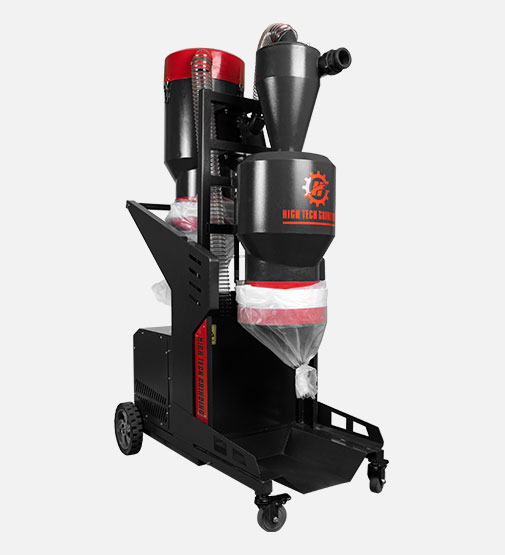
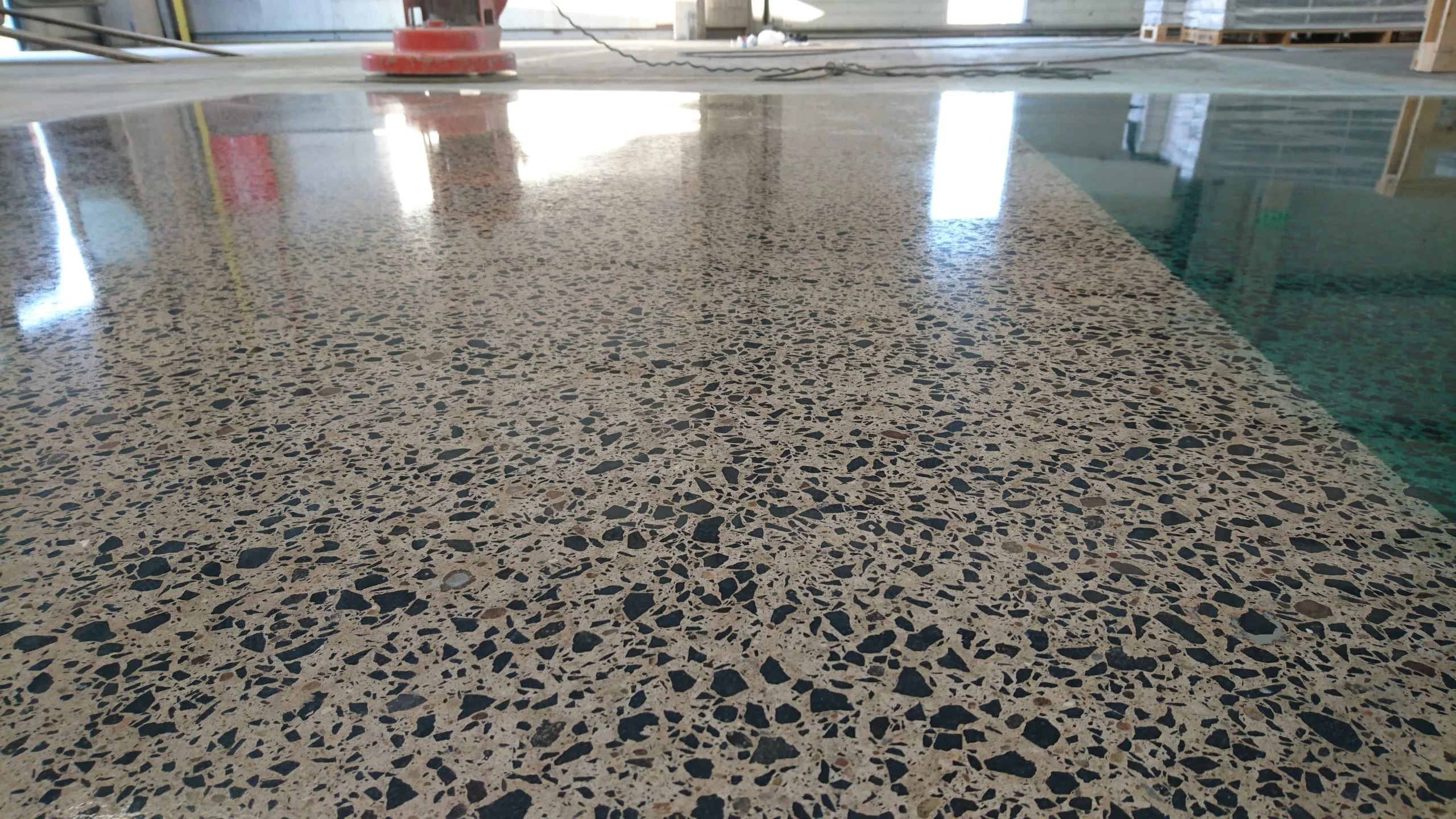
Dust generated during concrete grinding contains fine quartz (crystalline silica). The respirable portion of this dust is invisible and remains suspended in the air for a long time. Therefore, dust-free operation is not a matter of cleanliness, but a matter of occupational safety.
What to look for when choosing an industrial dust extractor
- Airflow (m³/h): The force that pulls and transports dust from the machine's port. Low airflow means dust remains at the source.
- Suction pressure (kPa): The value that compensates for the drop in performance as the hose length increases and fills up.
- Filter class: HEPA H13 or higher is required for concrete dust. Lower classes blow fine dust back into the air.
- Pre-separator: Separates coarse dust before it reaches the filter. Without it, the filter clogs very quickly; this both reduces suction and increases filter costs.
Hose diameter compatibility
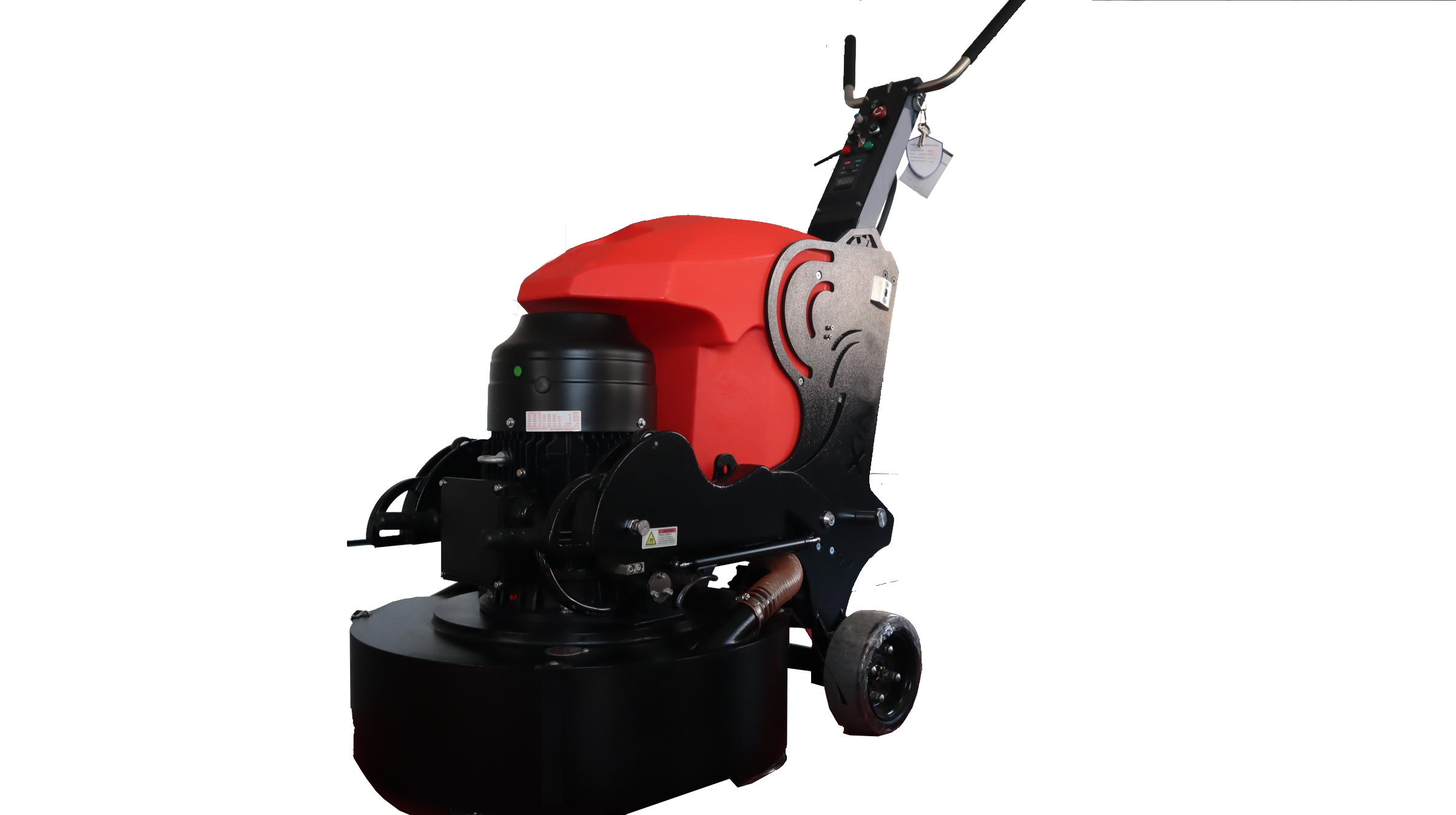
The machine's vacuum port and the hose diameter must be compatible. An incompatible diameter connected via an adapter creates a restriction in the cross-section and significantly reduces suction. Even if the machine and the industrial dust extractor are good individually, the result will be poor if the pairing is bad.
Filter maintenance
Filter cleanliness directly affects suction power. Regular use of manual or automatic cleaning systems extends filter life. Working with a clogged filter also puts strain on the motor.
Wet grinding alternative
Wet operation suppresses dust at the source and extends the life of the diamond tooling. In return, it produces slurry; this slurry must be collected and disposed of properly — pouring it into drains harms both the plumbing and the environment. Wet grinding is often more suitable in enclosed spaces with poor ventilation.
Personal protective equipment
No matter how good the industrial dust extractor is, 100% capture at the source is not possible. A dust mask (at least FFP3), safety goggles, and ear protection are as much a part of the job as the machine itself.
Simply provide your machine model to receive recommendations for the appropriate industrial dust extractor and filter for your equipment.