Choosing floor coating: epoxy, polyurethane, or polished concrete
Chemical exposure, thermal shock, moisture in the concrete, and downtime. These four criteria, not price, determine the right coating.
Floor coating selection is often based on price, resulting in a surface that bubbles, yellows, or cracks after two years. There are four criteria that determine the decision.
1. Moisture in concrete — the most overlooked criterion
The most common cause of coating failures is water vapor coming from the concrete underneath. Moisture creates pressure under the coating and separates it from the surface (blistering, peeling).
That is why moisture measurement is performed before coating. Newly poured concrete has not dried; "it looks dry to the eye" is not a measurement. If moisture is high, you either wait or use a moisture-barrier primer.
2. Chemical exposure
- Epoxy: Resistant to most acids, oils, and solvents. A common choice for warehouses, production areas, and parking lots.
- Polyurethane: More flexible and UV-resistant than epoxy. Stands out in areas that receive light and must not yellow.
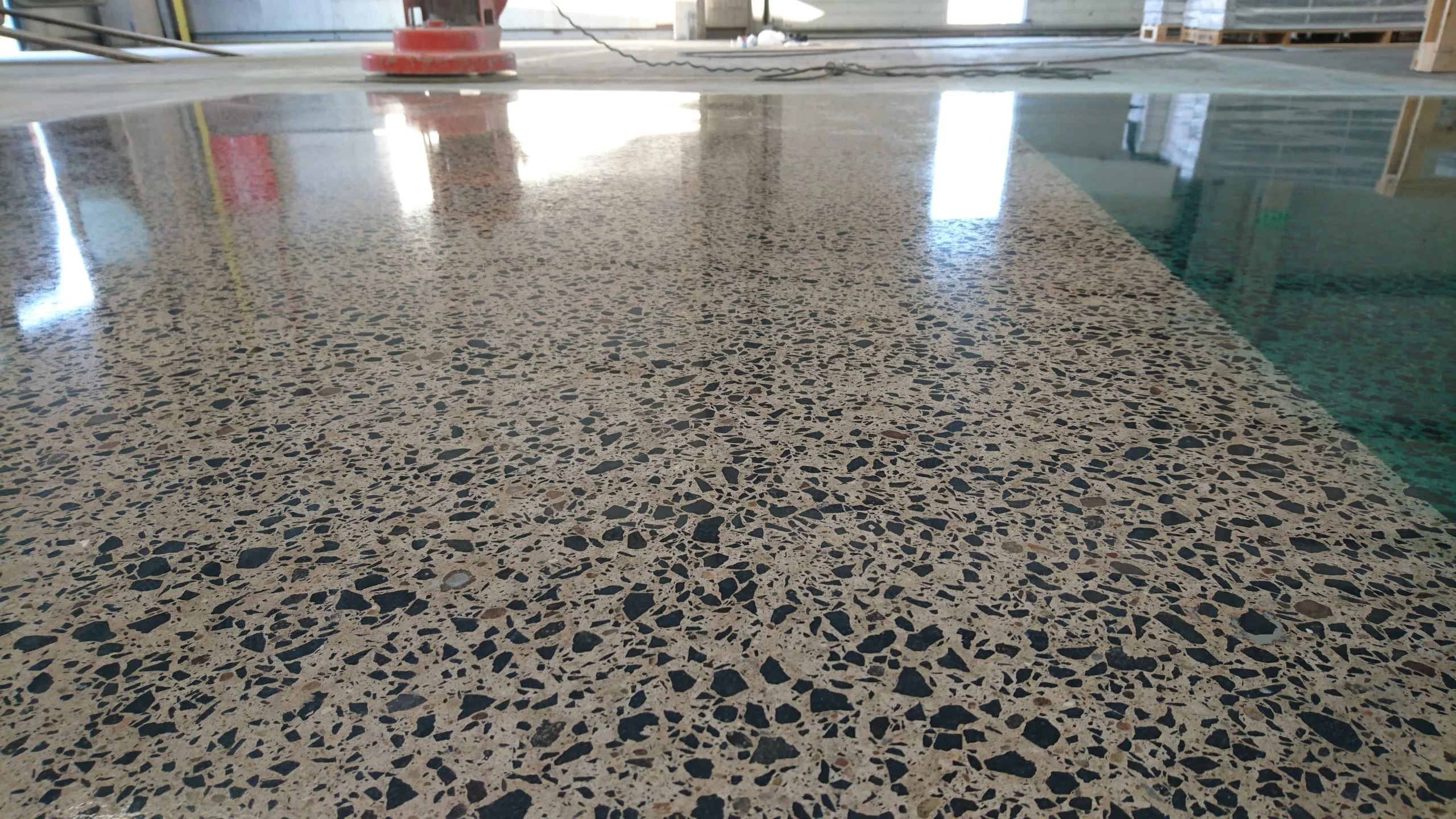
- Polished concrete: It is not a coating — it is the concrete itself. The pores remain open; it may stain in areas where heavy oil/chemicals are spilled.
3. Heat and impact
In areas washed with hot water and steam, such as food production, standard epoxy cracks under thermal shock; polyurethane-cement based systems are used in these areas. In places with forklift traffic, impact resistance and thickness are the deciding factors.
4. Tolerance for downtime
Coating systems are applied in layers, and each layer requires a curing time. In a facility that cannot stop production for three days, fast-curing systems or polished concrete instead of a coating may be more realistic.
Comparison
- High chemical exposure + indoor area → epoxy
- Exposed to light, must not yellow → polyurethane
- Thermal shock, wet production → polyurethane-cement
- Aesthetics + low maintenance + no coating desired → polished concrete
Common ground: surface preparation
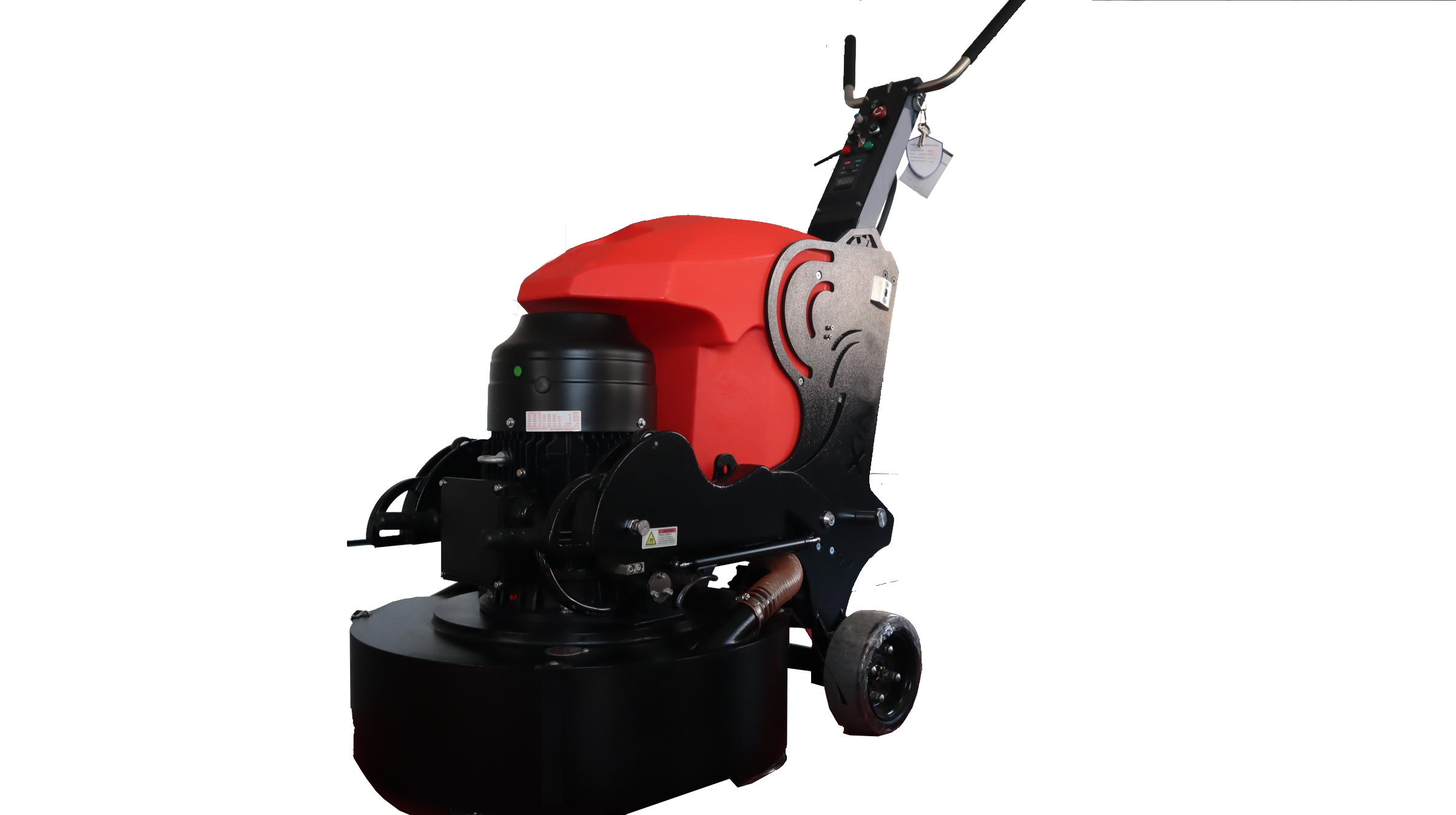
Regardless of which system is chosen, the result is determined by the preparation underneath. An application made without mechanically opening the surface (grinding or milling) will not adhere, no matter how good the material used is. The share allocated to preparation in the coating budget is as important as the coating itself.
Send us the usage of the area, the age of the concrete, and the duration you can afford to stop; let us determine the machine and diamond tooling sequence required for preparation together.